
Our anchor went bankrupt. We pivoted and sold for $11.5 million.
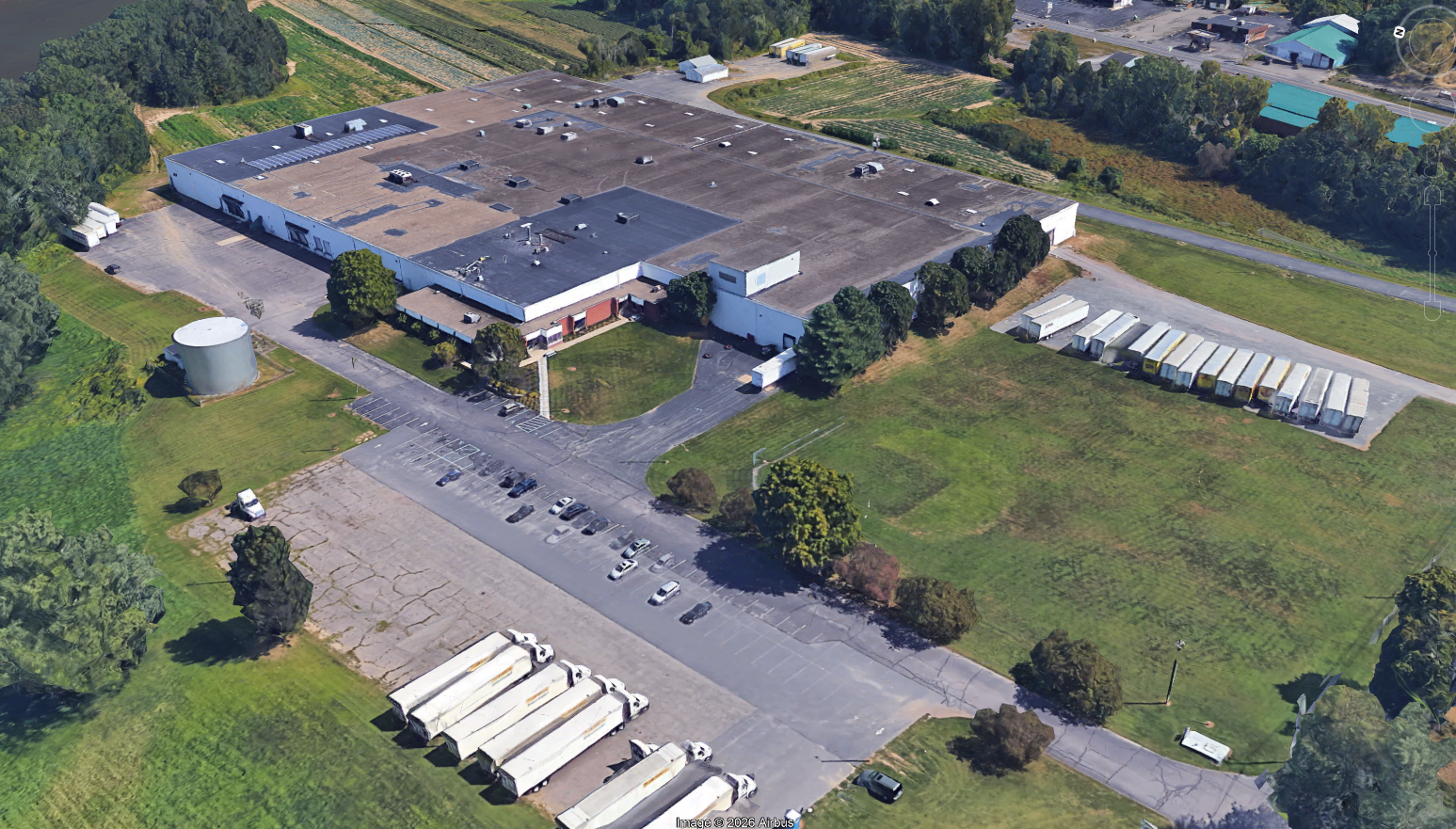
Wilkes-Barre Industrial Complex · 180 Courtright Street, Wilkes-Barre, PA. A 219,500 SF multi-tenant industrial property, acquired in 2021 and sold to an owner-user in 2024.
Annual rent from these spaces: two below-market leases and 66,000 SF earning nothing, with no dock access.
Annual base rent from the same spaces: new long-term leases at market, with built-in escalations and one lease converted to triple net.
A well-located building, under-leased and under-rented.
Built in 1991 on about 64 acres a few miles off Interstate 81, the complex offers 30-foot clear heights in one of the Northeast's busiest logistics corridors. At acquisition it was only about 68% leased, and the in-place rents sat well below market. We bought it at roughly $31 per square foot, well below replacement cost.
Then the anchor tenant went under.
Our plan was to lease up the building, raise rents and do a cash-out refinance. We added loading docks, filled the vacant space and renewed tenants at market. Then the building's largest tenant, a long-standing manufacturer, went bankrupt. We changed course: we recovered what was owed through the lease's personal guarantee and sold to an owner-user instead of refinancing.
Five moves that created the value.
Recovered what the anchor owed
When the anchor tenant filed for bankruptcy, we enforced the personal guarantee on its lease and collected the outstanding obligations rather than writing them off.
Added loading docks, signed a new tenant
We invested in new loading docks to make the vacant space usable for industrial users, then signed a five-year lease starting January 2023: 66,000 SF at $5 per SF, $330,000 a year with 3% annual escalations, above our original underwriting.
Grew a 7,000 SF tenant to 29,000 SF
A specialty manufacturing tenant expanded into the adjacent space, taking responsibility for re-leasing it. Annual rent from this tenant rose more than sixfold, and the lease converted from gross to triple net on their pro rata share.
Longer term, higher rent, dedicated parking
A retail-facing tenant consolidated into 21,000 SF on a new seven-year lease starting September 2023. Annual base rent rose 59% with escalations, and the lease now includes dedicated customer parking.
Sold to an owner-user, kept the extra land
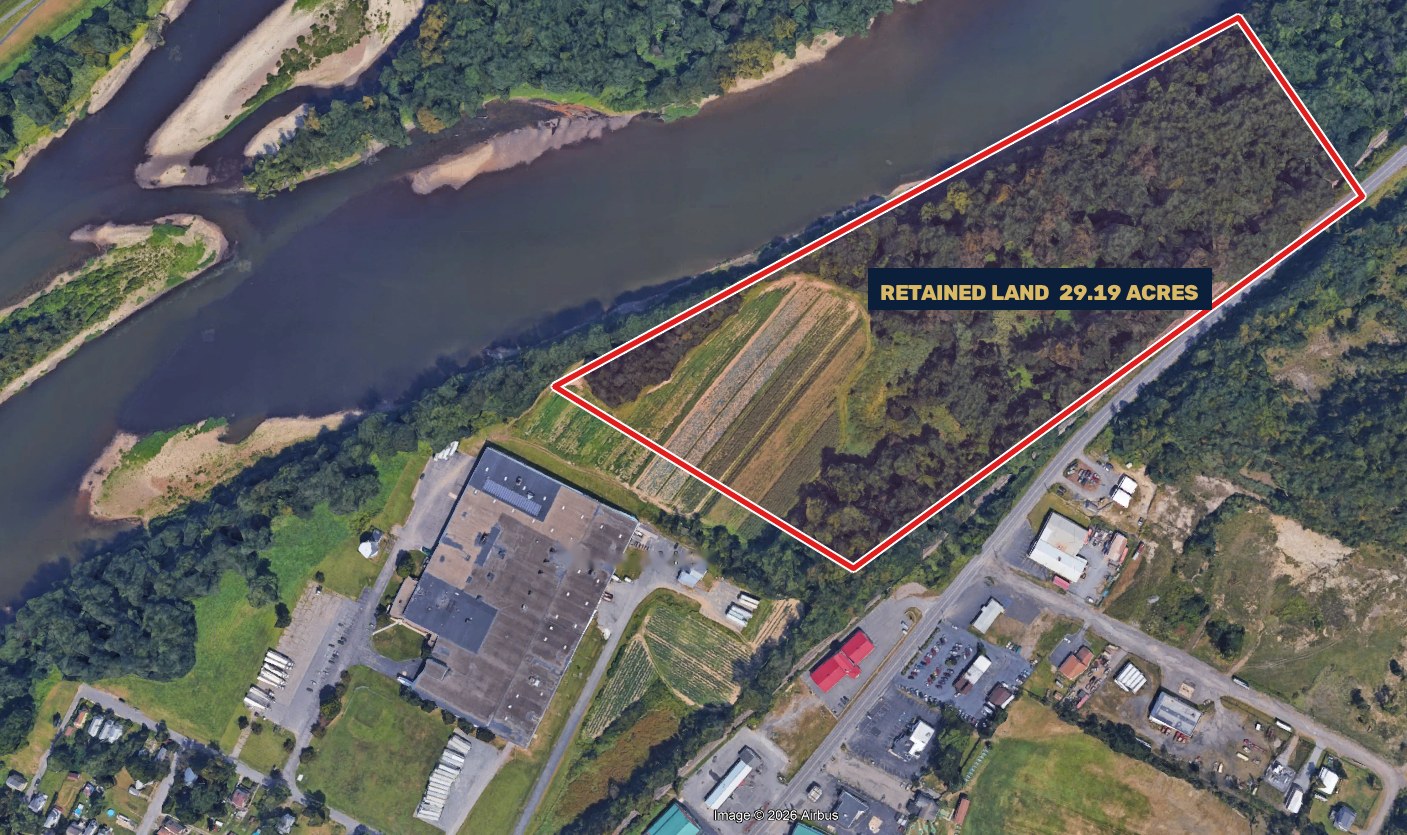
Rather than backfill the anchor space and refinance, we sold to an owner-user who needed it for his own operations. He didn't need all the land, so we subdivided it, sold the building on 35 acres and kept 29 acres along the river for future development.
Before and after, by lease.
| Tenant | Before | After | Annual rent | Structure |
|---|---|---|---|---|
| Specialty manufacturer | 7,000 SF · $3.00/SF | 29,000 SF · ~$4.55/SF | $21,000 → $132,000 | Gross → NNN |
| Stone fabricator / showroom | 15,000 SF · $3.94/SF | 21,000 SF · ~$4.49/SF | $59,100 → $94,200 | 7-yr term, escalations, dedicated parking |
| New industrial tenant | Vacant, no dock access | 66,000 SF · $5.00/SF | $0 → $330,000 | 5-yr term, 3% annual escalations |
The plan changed when the anchor left. The discipline didn't. We protected the downside, re-leased at market, and found the buyer who valued the building most.